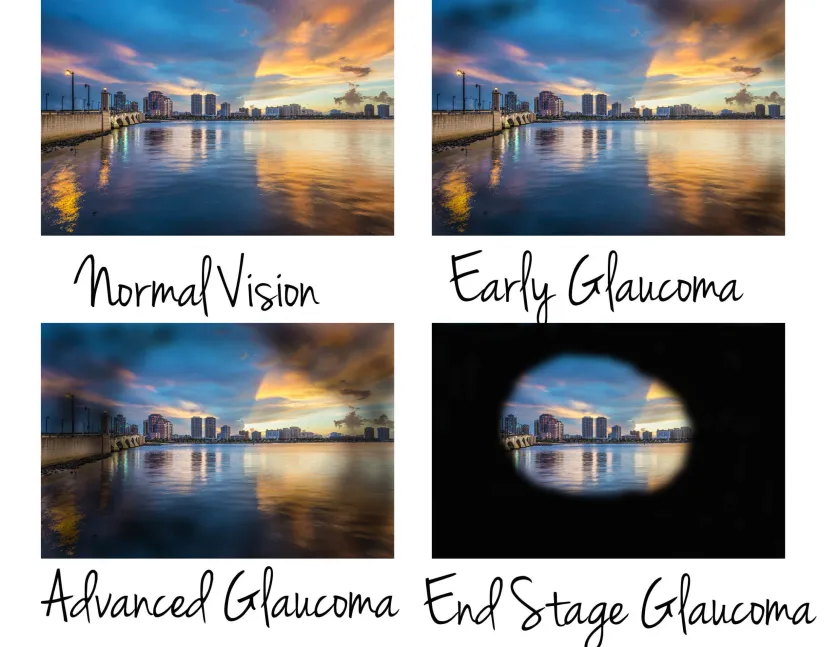
Glaucoma is a group of chronic, progressive eye conditions characterised by damage to the optic nerve — the vital “cable” that transmits visual information from the eye to the brain. This damage is often linked to abnormally high intraocular pressure (IOP), which causes gradual loss of nerve fibres, typically starting with peripheral (side) vision. Because it often develops painlessly and without early warning signs, it is frequently called the “silent thief of sight.”
At Pooja Eye Hospital – Phaco & Laser Centre in Bhusawal, Dr. Kishor Ajnadkar and Dr. Pushkar Ajnadkar emphasise routine screening — especially for adults over 40 and anyone with a family history — so treatment can begin before irreversible loss occurs.
How pressure damages the optic nerve
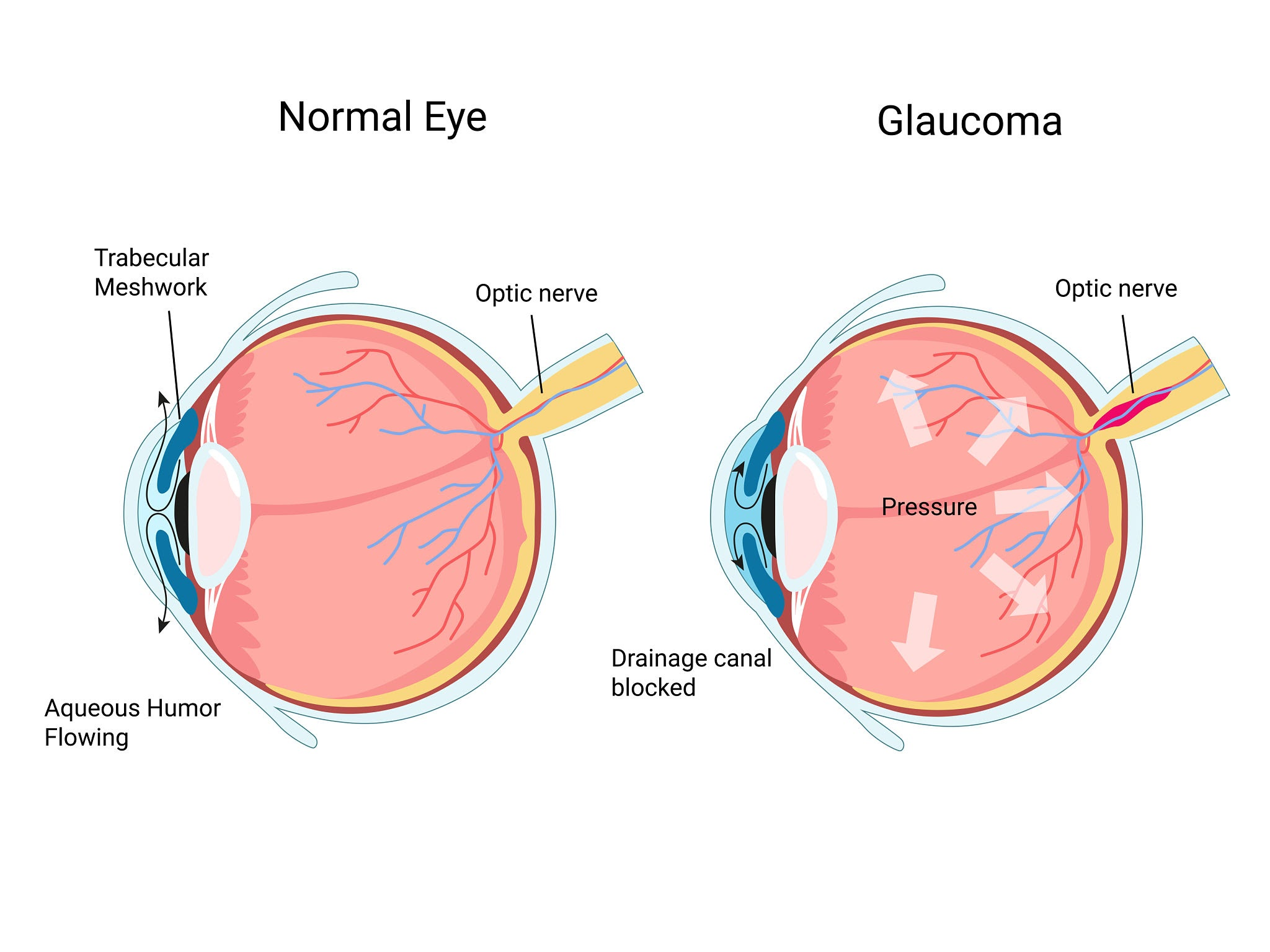
The eye constantly produces aqueous humor to maintain its shape and health. This fluid must drain at the same rate it is produced through a specialised drainage system (the trabecular meshwork and Schlemm’s canal). In glaucoma, this system becomes blocked or inefficient, causing fluid buildup and mechanical pressure on the optic nerve.
- Normal drainage: Fluid flows freely through the drainage angle.
- Blocked drainage: Fluid builds up, increasing pressure and damaging the optic nerve.
- Healthy optic nerve: Robust nerve head with a normal cup-to-disc ratio.
- Damaged optic nerve: Nerve fibre atrophy leading to “cupping” of the disc.
Over 40 or family history of glaucoma?
Book a glaucoma screening with perimetry and pressure checks at Pooja Eye Hospital, Bhusawal.
Primary types of glaucoma
| Type | Characteristics | Key symptoms |
|---|---|---|
| Open-angle | Most common; drainage angle is open but the meshwork is clogged. | Gradual loss of side vision; eventually “tunnel vision”. |
| Angle-closure | Medical emergency; iris physically blocks the drainage angle. | Severe eye pain, nausea, halos around lights, blurred vision. |
| Congenital | Occurs in infants due to abnormal drainage angle development. | Large, hazy cornea, light sensitivity, excessive tearing. |
Important: Sudden severe eye pain with nausea or coloured halos may signal acute angle-closure glaucoma — seek emergency eye care immediately.
Are you at risk?
While anyone can develop glaucoma, certain factors significantly increase risk:
- Age: Individuals over 60 (or over 40 in some demographics).
- Genetics: A family history of the disease.
- Medical conditions: Diabetes, high blood pressure, or extreme myopia (nearsightedness).
- Eye anatomy: Thin corneas or previous eye injuries.
Patients from Bhusawal, Jalgaon and surrounding villages who fall into these groups should ask about glaucoma screening during routine visits to Pooja Eye Hospital.
Management and prevention
Vision loss from glaucoma is permanent and cannot be reversed, making early detection via regular eye exams crucial. Treatment focuses on lowering intraocular pressure through:
- Medication: Daily prescription eye drops to reduce fluid production or improve drainage.
- Laser therapy: Procedures such as Selective Laser Trabeculoplasty (SLT) to improve outflow when appropriate.
- Surgery: Options such as trabeculectomy or valve implants (e.g. Ahmed Valve) for advanced or refractory cases.
Our centre supports glaucoma care with diagnostic tools including perimetry (visual field testing), OCT and careful follow-up — so treatment can be adjusted before more vision is lost. Explore related care on our services page.
Frequently asked questions
Will I feel glaucoma before it damages my vision?
Often no — especially open-angle glaucoma. That is why scheduled exams with pressure measurement and optic nerve assessment matter even when your vision “feels fine.”
Do eye drops for glaucoma need to be lifelong?
Many patients need long-term drops. Never stop medication without advice from your eye doctor at Pooja Eye Hospital, even if eyes feel comfortable.
Who treats glaucoma at Pooja Eye Hospital?
Dr. Kishor Ajnadkar and Dr. Pushkar Ajnadkar provide evaluation and management plans for glaucoma patients across the Bhusawal–Jalgaon region.
Don’t let glaucoma steal your sight
Schedule screening at Pooja Eye Hospital, Hanuman Nagar, Bhusawal. Call or WhatsApp today.